A Quiet War
A Quiet War brings photographs I made during the COVID-19 pandemic into conversation with photographs my father, Lieutenant Commander John C. Wilson, made while serving aboard HMCS Rosthern during the Second World War. It is not an attempt to equate the two events. Rather, the project asks what may pass between generations: ways of looking, enduring uncertainty, and carrying on when ordinary life is altered.
My father worked in wireless communications aboard ship, receiving Morse code warnings of enemy submarines. He photographed the life around him, developing his film in the ship’s bathtub when circumstances allowed. His photographs hold rough seas, ice, companionship, meals and the practical coordination of men doing what needed to be done.
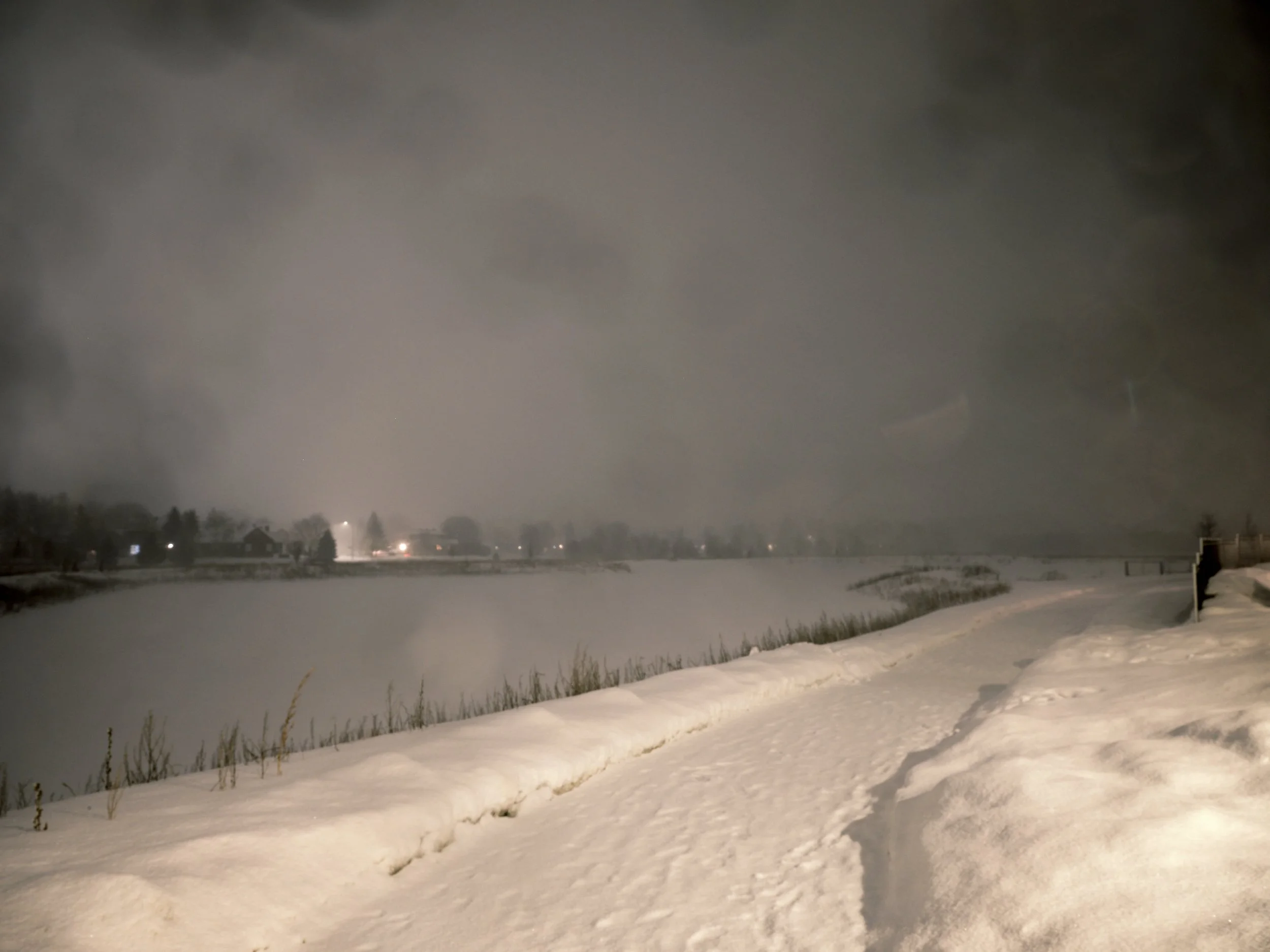
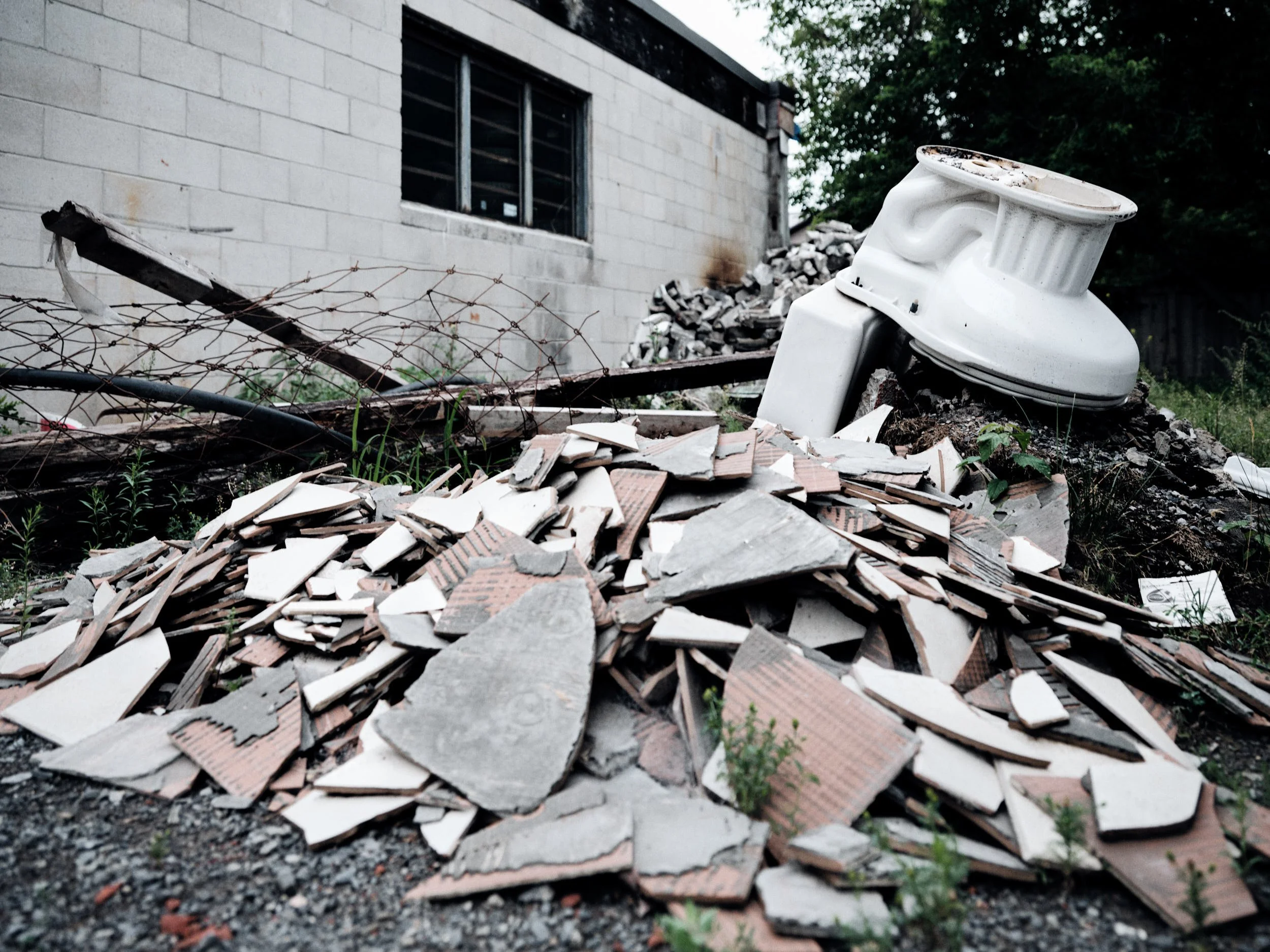
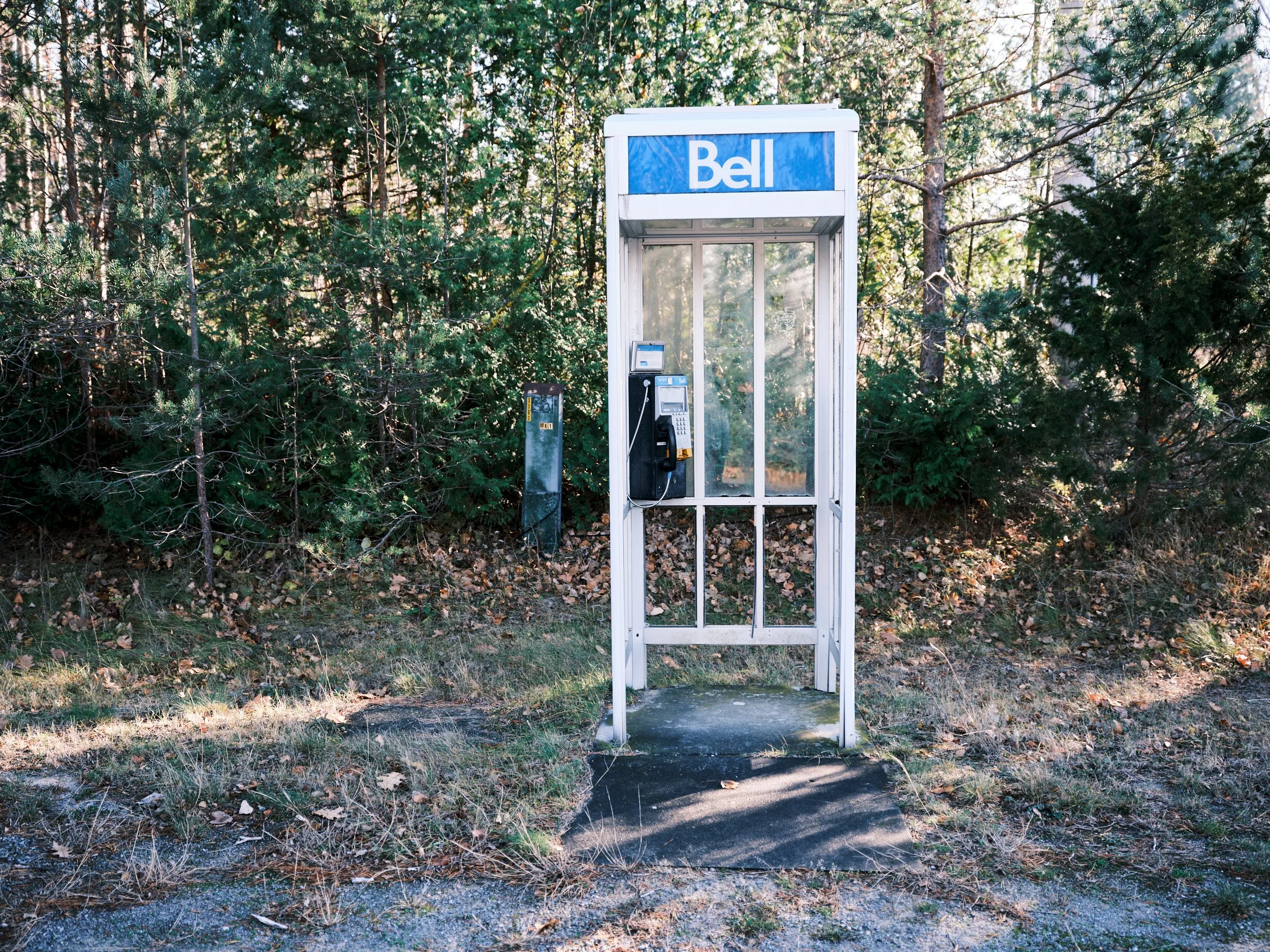
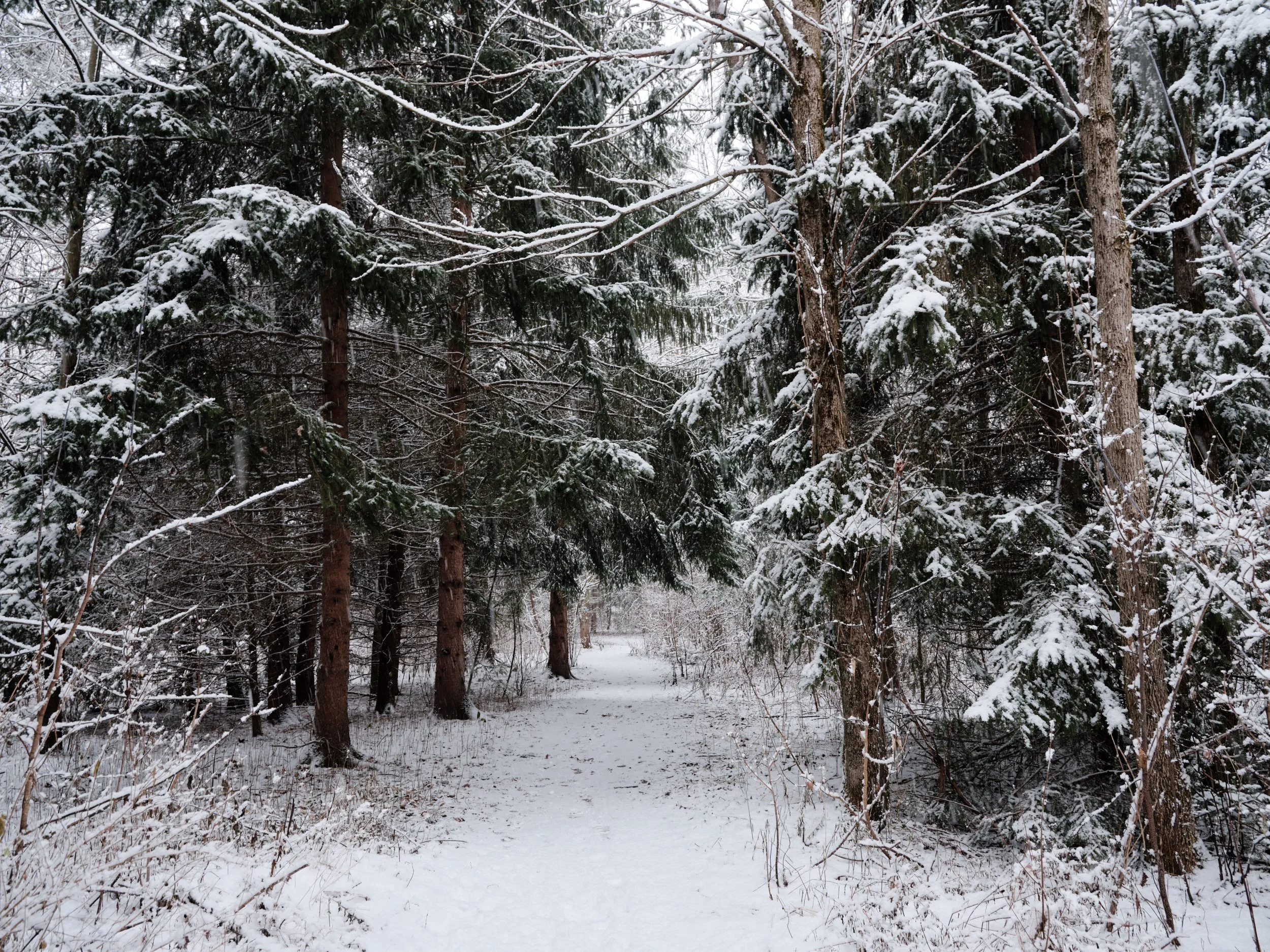
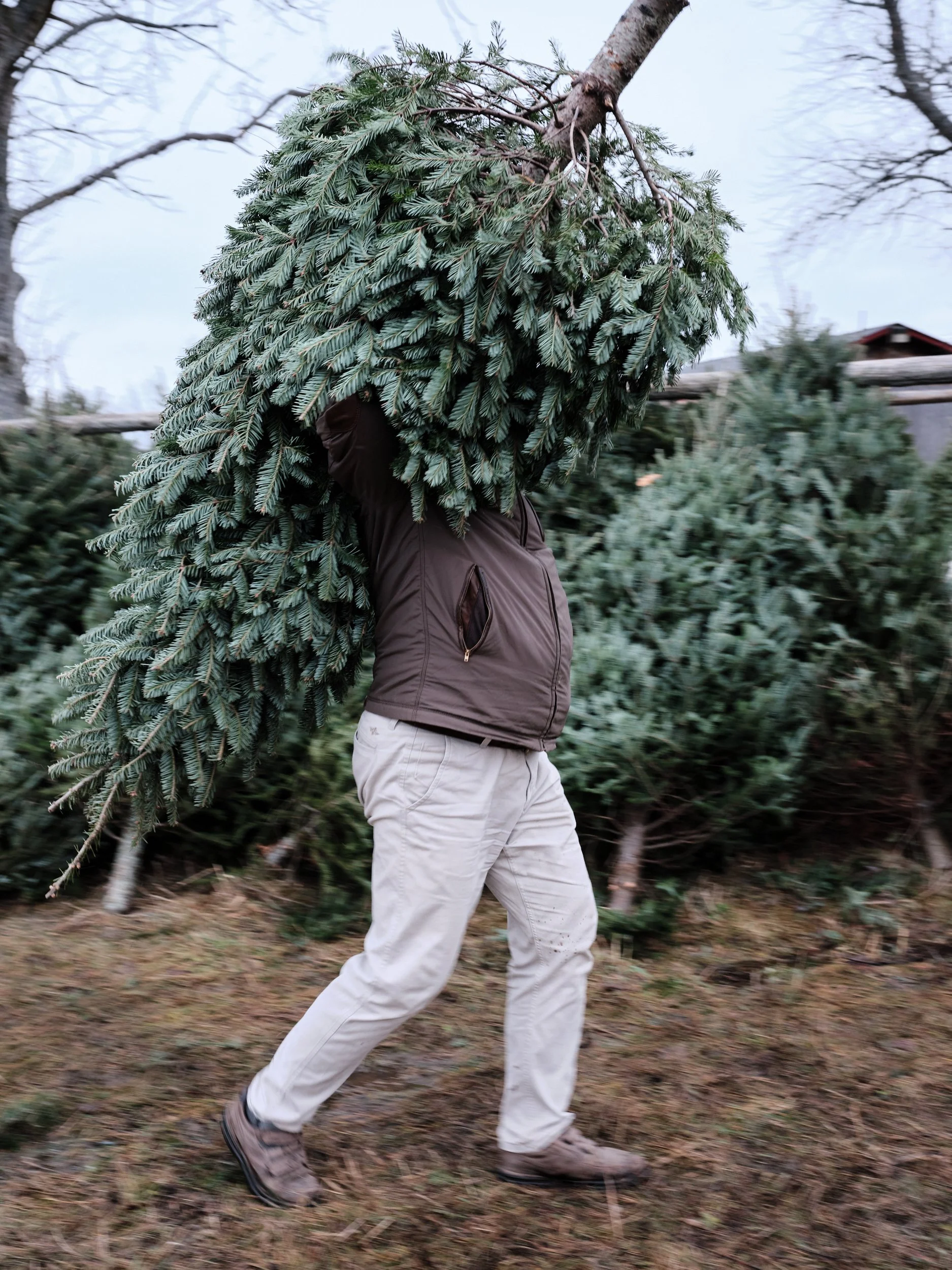
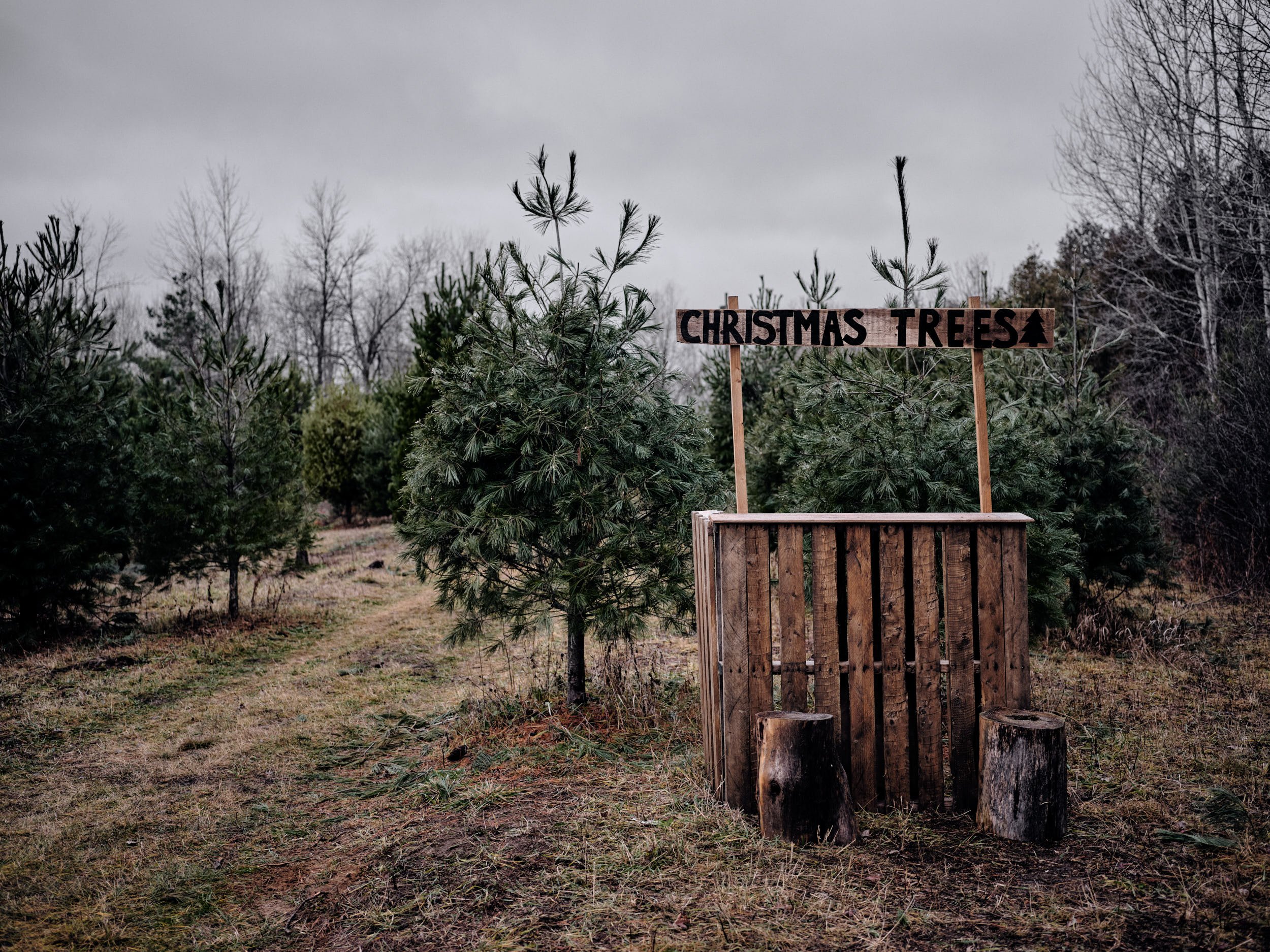
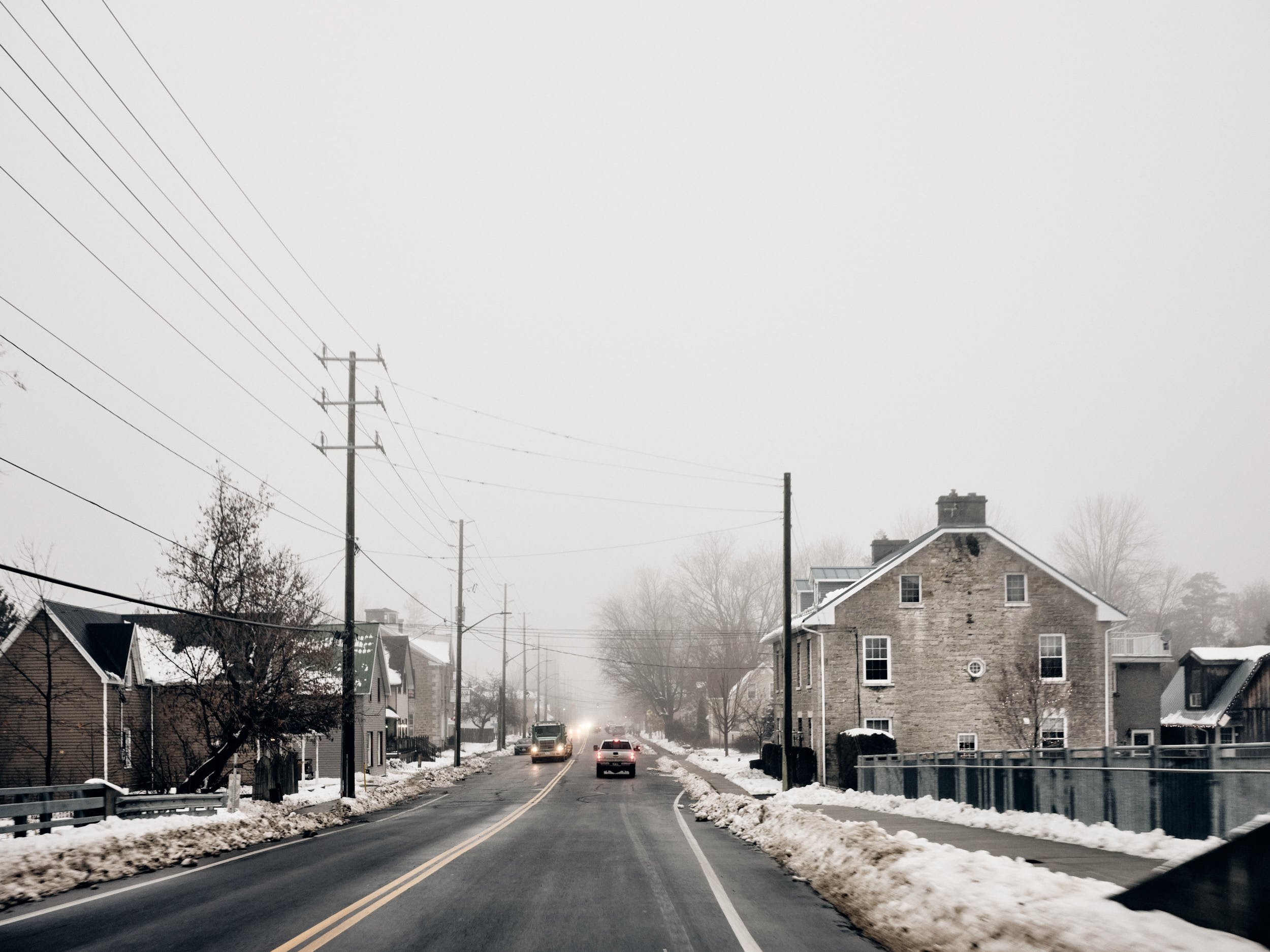
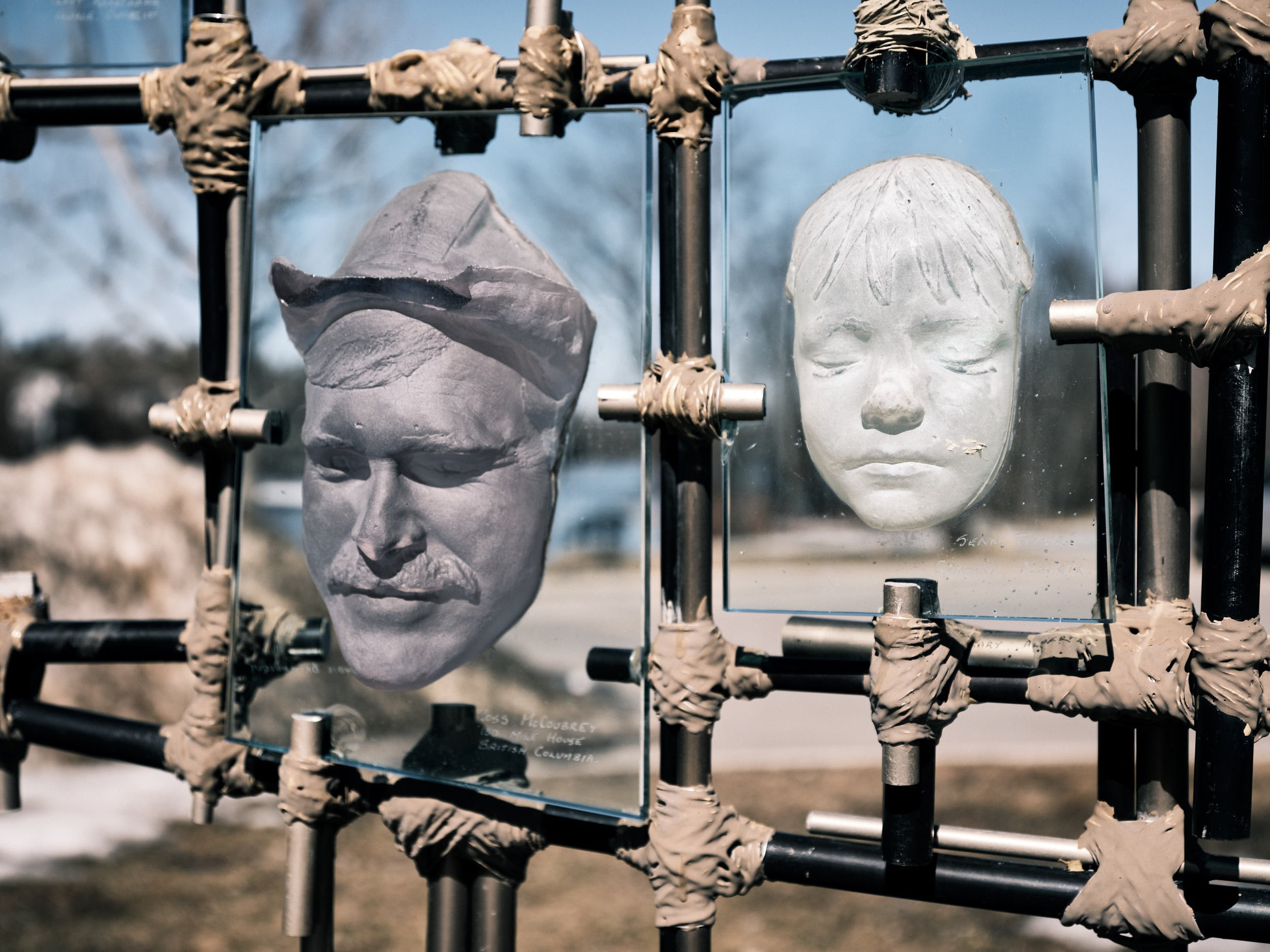
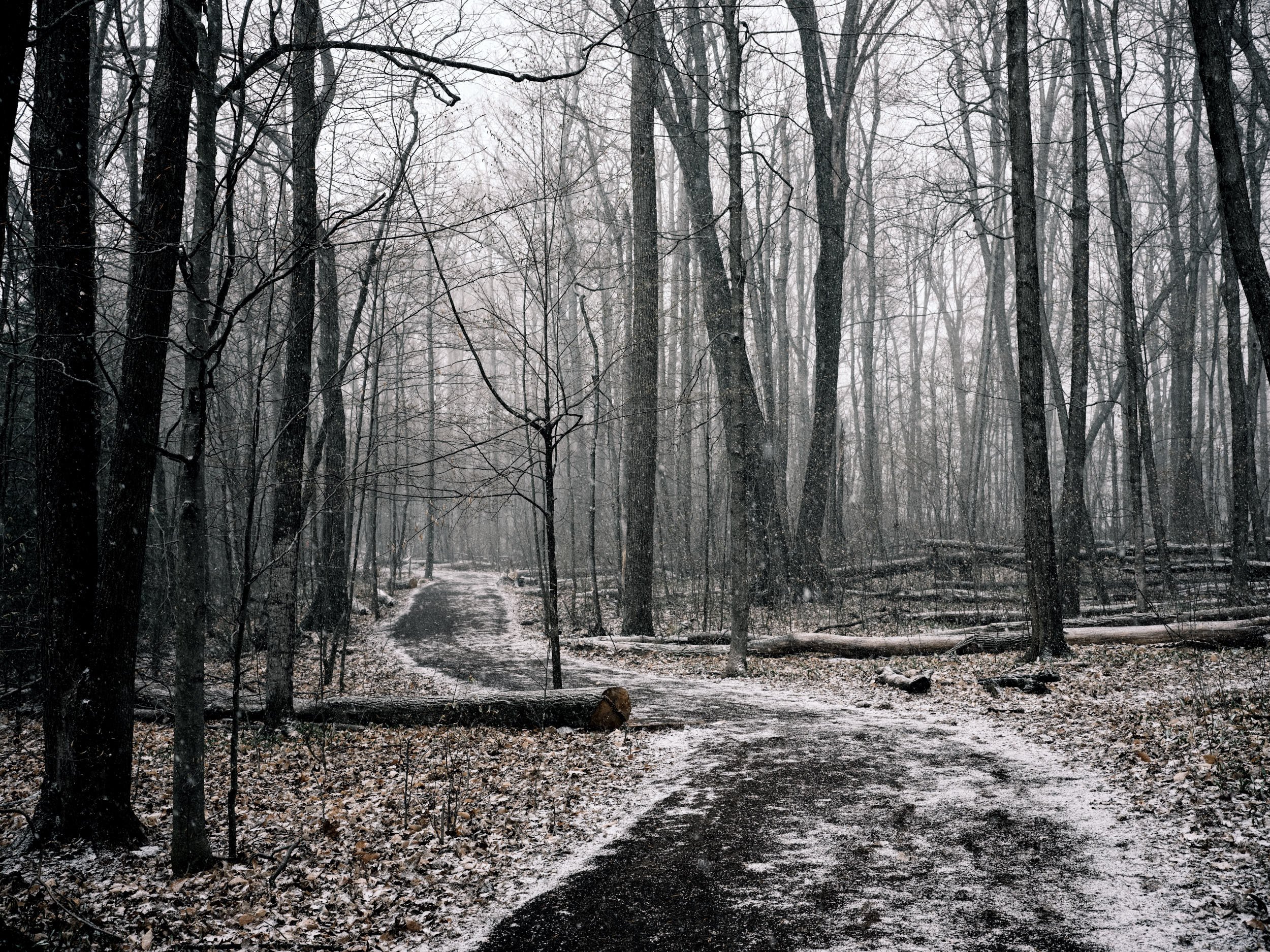
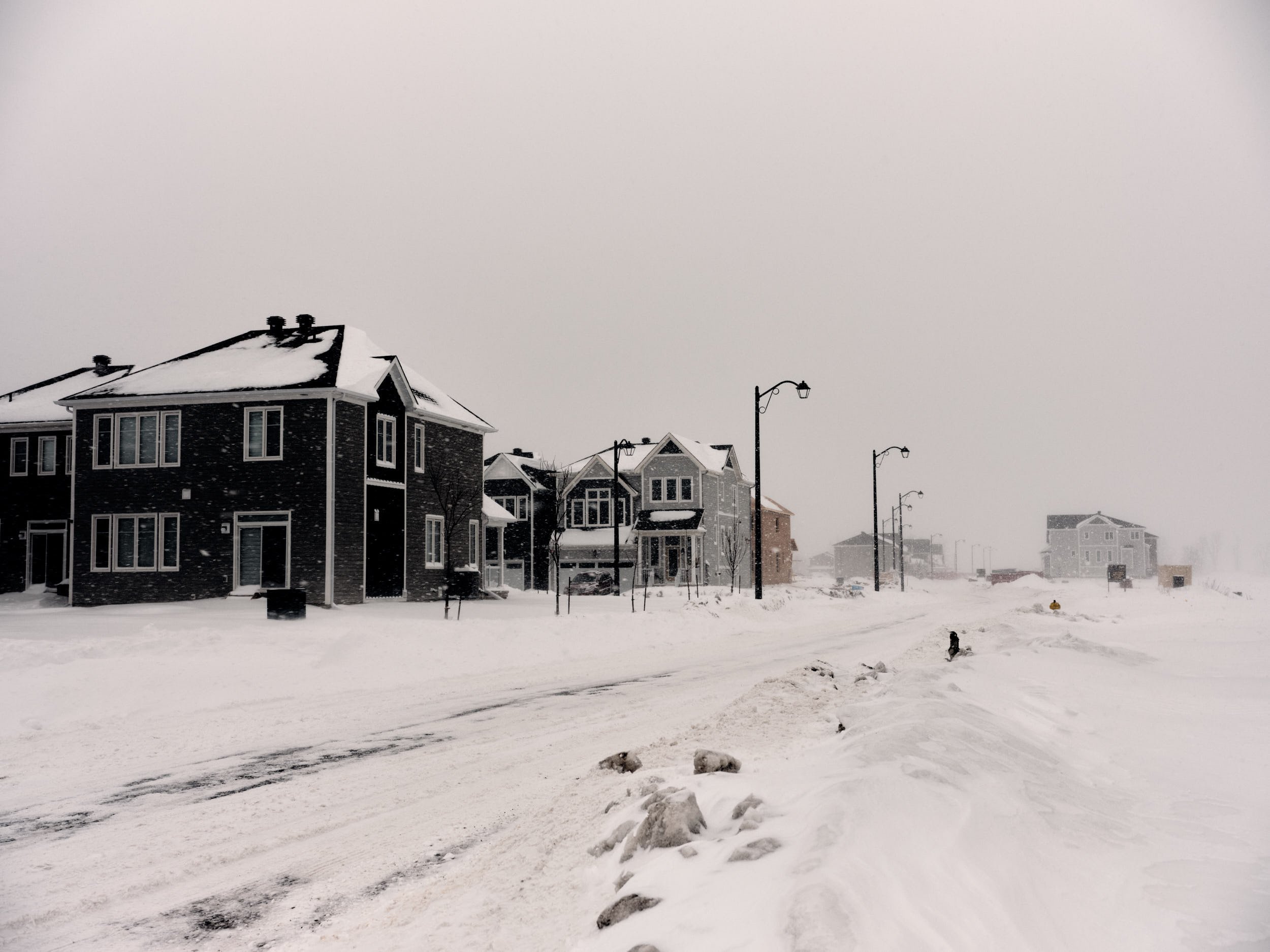
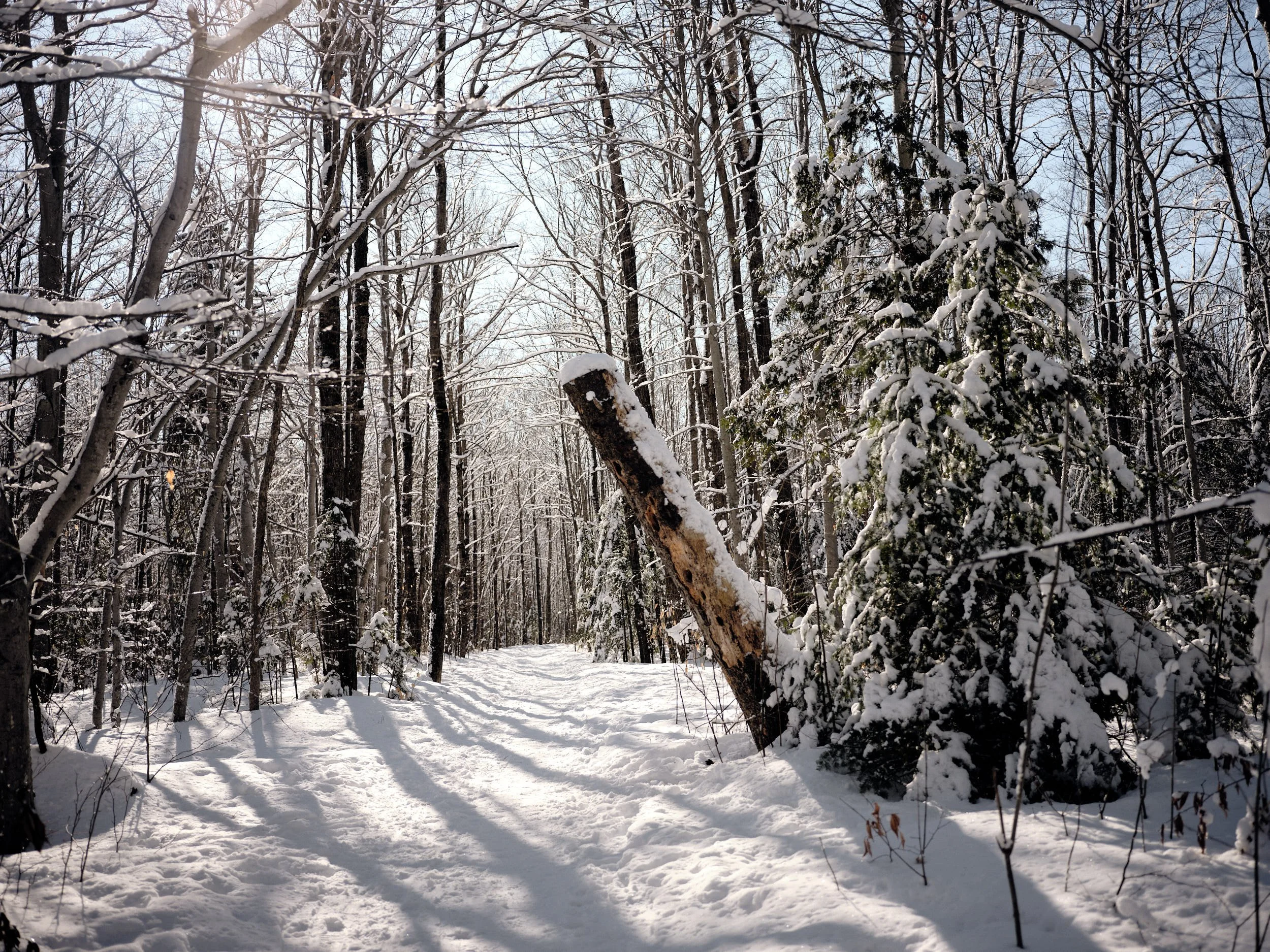
Nearly eighty years later, confined close to home in Richmond, Ontario, I also turned to photography. The danger I was living with was largely invisible, so I photographed its traces and interruptions: a picnic table wrapped in caution tape, an upside-down toilet, a telephone booth standing alone in the woods, a garden hose, dark houses, winter roads, my husband carrying home a Christmas tree. The event is often outside the frame, but its presence changes the meaning of what remains inside it.
These photographs were not a newly discovered family archive. Years earlier, I had helped my father expand a short account of his life into the fuller story he wanted to leave his family. His wartime stories were familiar to me; they had often been shared around our family dinner table. During the pandemic, however, his photographs began to speak differently to my own. Connections appeared that I had not consciously constructed: his crew eating together and a local café adapting to drive-through service; his ship encased in ice and my own winter landscape; men coordinating between vessels and the quieter coordination of a life shared at home.
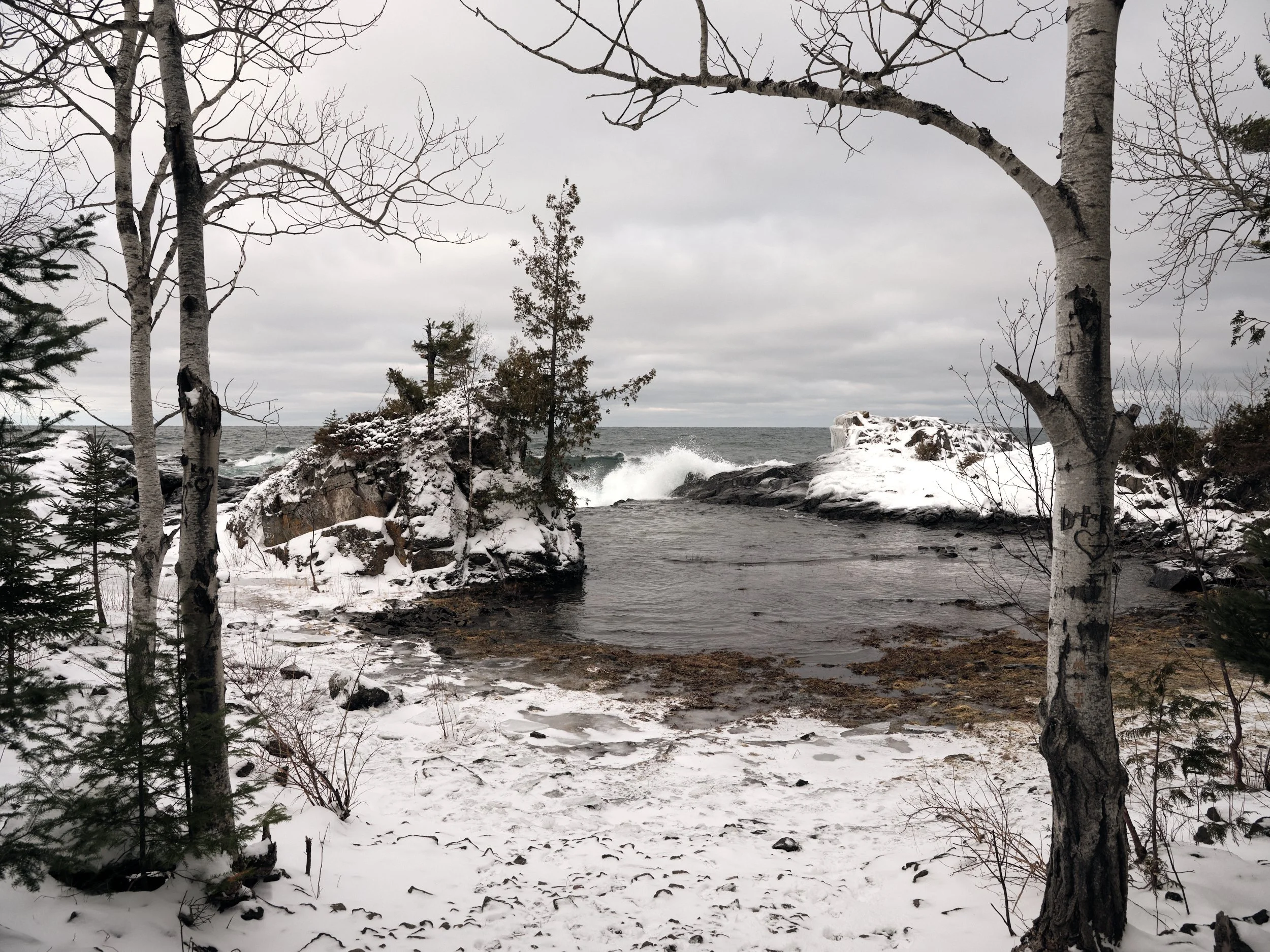
At one point I went to Lake Superior looking for waves that might echo the Atlantic in my father’s photographs. Instead, I found quiet water. That mismatch helped give the project its title.
A Quiet War exists in the space between these two bodies of photographs. My father and I, separated by nearly eighty years and very different circumstances, used cameras to orient ourselves when the world had become uncertain. The photographs do not resolve that uncertainty. They ask how we continue through it—and what we inherit from those who taught us how.